.png)

Updated 08 January, 2026
If you run a fitness or wellness coaching business and you are hunting for a free app builder, you already know the 9-5 grind or algorithm roulette on Instagram is not the future you want. I have watched dozens of coaches chase "free" platforms only to discover the hidden costs once they start making real money. Free platforms promise an easy entry point to build your branded app, but most charge you through revenue shares (10-30%), user caps, and missing features that kill retention once you scale. In this guide, I will walk you through what "free" actually means in the no-code fitness app world, the three hidden costs that hurt your brand and revenue, and when a flat-fee investment becomes the smarter path.
What is a No-code Fitness App Builder?
A no-code fitness app builder lets you create a mobile or web app without writing code. You drag in videos, PDFs, and lessons, pick a template, and publish. The platform handles hosting and updates so you focus on your coaching.
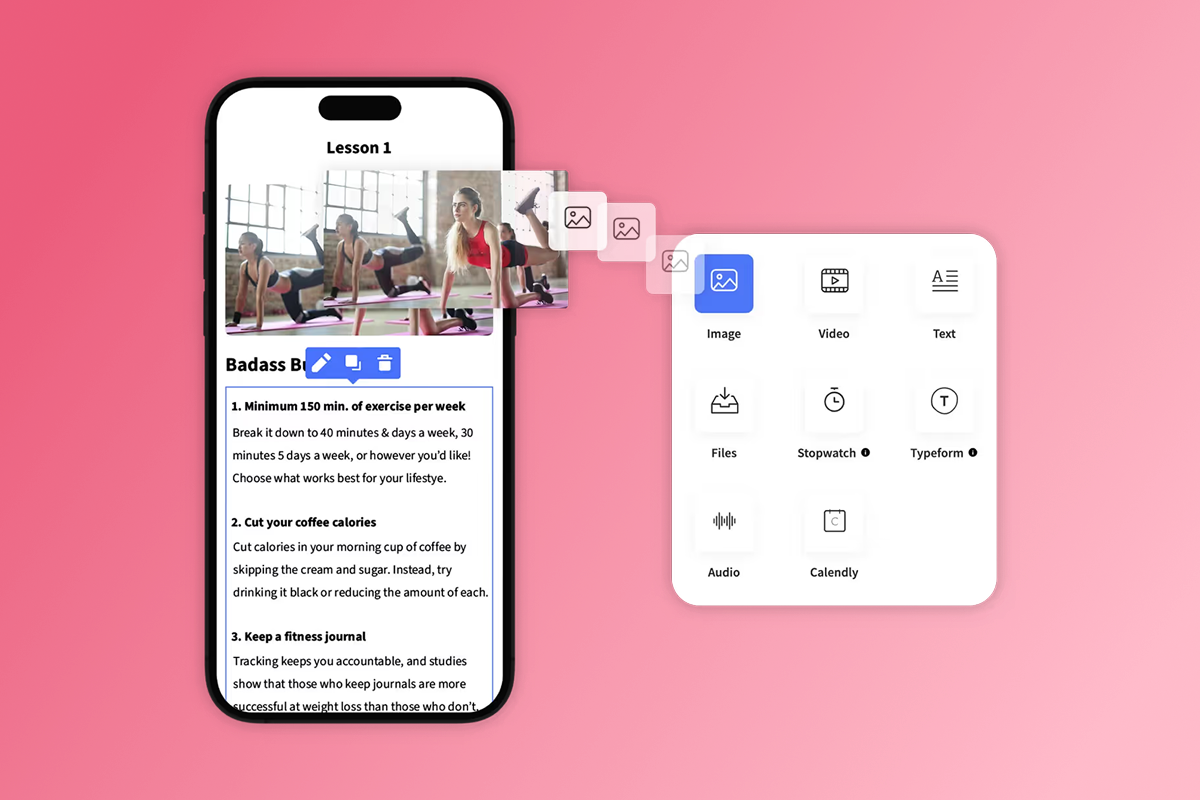
The key difference is between a native mobile app (iOS/Android) and a Progressive Web App (PWA). Native apps live in the Apple App Store and Google Play Store, giving you full access to push notifications, offline content, and device features like Face ID. PWAs are websites that look like apps when added to your home screen, but they have limited push support on iOS and weaker offline performance.
For fitness coaches, this matters because native apps let you send workout reminders that actually get seen. Most free builders only offer PWAs, which means no App Store presence and inconsistent notifications.
Can I Really Build a Branded Fitness App for Free?
Yes, but with severe limits. "Free" in the app builder world comes in three flavors: forever-free plans, freemium models, and free trials.
- Forever-free plans are typically web-only (no native app) and cap you at 10-50 users based on the platform. They often display platform branding on your app, meaning your logo shares space with theirs. You cannot publish to the App Store on these plans. Some free plans restrict core features like push notifications, drip content, and offline access.
- Freemium models let you build and test for free but charge transaction fees on every sale. Platforms using revenue-share models may take 10-30% of your sales in addition to standard credit card processing. At $5,000 in monthly revenue, a 10% platform fee costs you $500 per month, double the price of most premium flat-fee plans.
- Free trials give you full access to a paid platform for a limited time, usually 7-14 days. Passion provides a 30-day money-back guarantee, which functions as a risk-free trial once you choose a plan. Launch starts at $99 per month when billed annually. This model gives you native app features, push notifications, and App Store submission support upfront, then you decide if the ROI justifies the subscription.
In my experience, free plans are useful for prototyping your offer, but they block the engagement and revenue tools you need to scale. Watch this breakdown of how Passion works as a no-code builder to see what a full-featured platform enables.
The 3 Hidden Costs of "Free" Platforms
Cost 1: Loss of Brand Ownership
The first hidden cost is brand dilution. I have tested multiple free builders, and most display their logo on your home screen, loading screens, or footer. Your members see another company's name every time they log in. That watermark trains your audience to associate their experience with the platform, not with you.
Worse, you are building on their domain. If the platform changes terms, raises fees, or shuts down, your community and content live on their servers with limited export options. This is the same "rented land" problem you face on Instagram, just with a different landlord.
A branded native app puts your name in the App Store. Native apps provide a trusted channel for users to discover, download, and review your app, which builds credibility and organic growth. Free platforms rarely offer true App Store presence. Publishing a PWA to the Apple App Store is notoriously difficult, as Apple's guidelines favor native functionality.
The takeaway: If you want your clients to see your brand and only your brand, you need a plan that removes platform watermarks and gives you full control of the user experience.
Cost 2: Revenue Sharing and Transaction Fees
Free platforms make money somewhere, and I can tell you it is usually on your transactions. A common model is "free to build, pay when you sell." The platform takes a percentage of every subscription, course sale, or one-time payment.
Here is the math. A 10% platform fee on $5,000 in monthly revenue costs you $500. A 15% fee on $10,000 costs $1,500. Add credit card processing (around 2.9% + $0.30 per transaction via Stripe or PayPal), and your effective cost per sale climbs fast. Passion charges a 3.9% platform fee on web checkouts via PassionPayments, plus standard Stripe fees. That is transparent and predictable, and it becomes cheaper than revenue-share models once your monthly sales exceed $3,000.
In-app purchases (IAP) on iOS and Android carry their own costs. Apple and Google retain 15-30% of IAP revenue, depending on your enrollment in their Small Business Program. On Passion, you control the checkout path based on your margin targets, rather than being forced into a one-size-fits-all revenue share.
The hidden trap: A "free" builder that takes 20% of your sales will cost you $2,000 per month once you hit $10k in revenue. That is more than the cost of Passion's top-tier Expand plan at $599 per month when billed annually. The revenue-share model punishes your success.
Cost 3: Feature Caps That Kill Growth
Free plans restrict the tools you need to keep members active. The three most common feature gaps are push notifications, offline access, and user caps.
- Push notifications are the single highest-leverage engagement tool for mobile apps. We have seen creators report +15-30% completion lifts in 90 days when they add push cadences to their programs. Native apps offer strong push notification capabilities on both iOS and Android, allowing you to send workout reminders, challenge check-ins, and motivational messages that bring people back into the app. PWAs can send push notifications, but their functionality on iOS is limited and less reliable. Free plans often disable push entirely or restrict you to email-only reminders, which have far lower open rates.
- Offline access matters for fitness apps because users work out in gyms with spotty Wi-Fi or outdoors with no signal. Native apps store content directly on the device, enabling full offline functionality. PWAs have limited offline capabilities and cannot match native performance. Free plans rarely support reliable offline modes.
- User caps are the most common free-plan limit. You may be capped at 10, 25, or 50 active users. Once you hit that ceiling, you must upgrade or turn away new customers. This is a forced conversion tactic, but it happens at the worst time, right when you are gaining traction and need to focus on delivery, not switching platforms.
Watch this comparison of Passion versus other platforms to see how feature access varies across tiers.
Feature Comparison of Leading No-code Fitness App Builders
Key Observations:
- Forever-free plans keep you in a web-only experience with no App Store discoverability.
- Freemium models charge you twice: revenue share plus IAP fees if you go mobile.
- Passion's 30-day money-back guarantee gives you the trial experience with native features unlocked from day one.
- Custom development costs $30,000+ upfront and takes months, making it a non-starter for most coaches.
Native apps also have deeper access to device hardware and software features, such as Face ID, Touch ID for secure logins, and Bluetooth for syncing with fitness trackers. These features improve the user experience and stickiness, but they require a native build.
How to Build Your Branded Fitness App: A Step-by-Step Guide
If you decide a paid platform is the right move, here are the seven steps to launch a branded fitness app using a no-code platform like Passion.
1. Choose your niche and offer. Define your core program (e.g., 8-week strength challenge, yoga membership, nutrition coaching). Narrow your focus so you can create targeted content.
2. Select a template. Passion provides drag-and-drop templates for courses, challenges, and communities. Pick one that matches your structure, then customize branding (logo, colors, fonts).
3. Upload your content. Add videos, audio files, PDFs, and text lessons. Passion supports interactive elements like quizzes, timers, and goal tracking. Organize content into modules and set drip schedules if you want to release lessons over time.
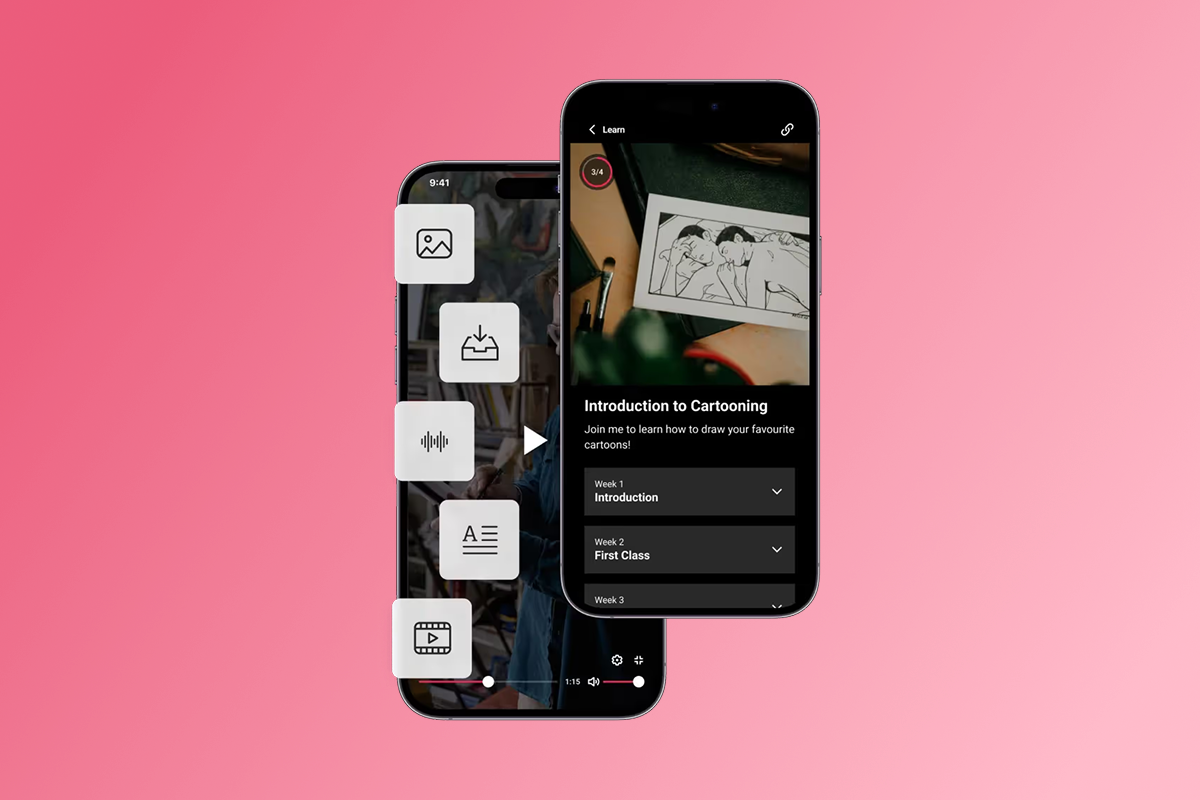
4. Set your pricing. Choose between subscriptions (weekly, monthly, annual), one-time purchases, freemium access, or bundles. Passion offers flexible monetization paths, including PassionPayments for web checkout and IAP for mobile.

5. Configure branding and community. Add your logo, brand colors, and welcome messages. Enable in-app community channels, challenges, and private messaging to build engagement and retention.
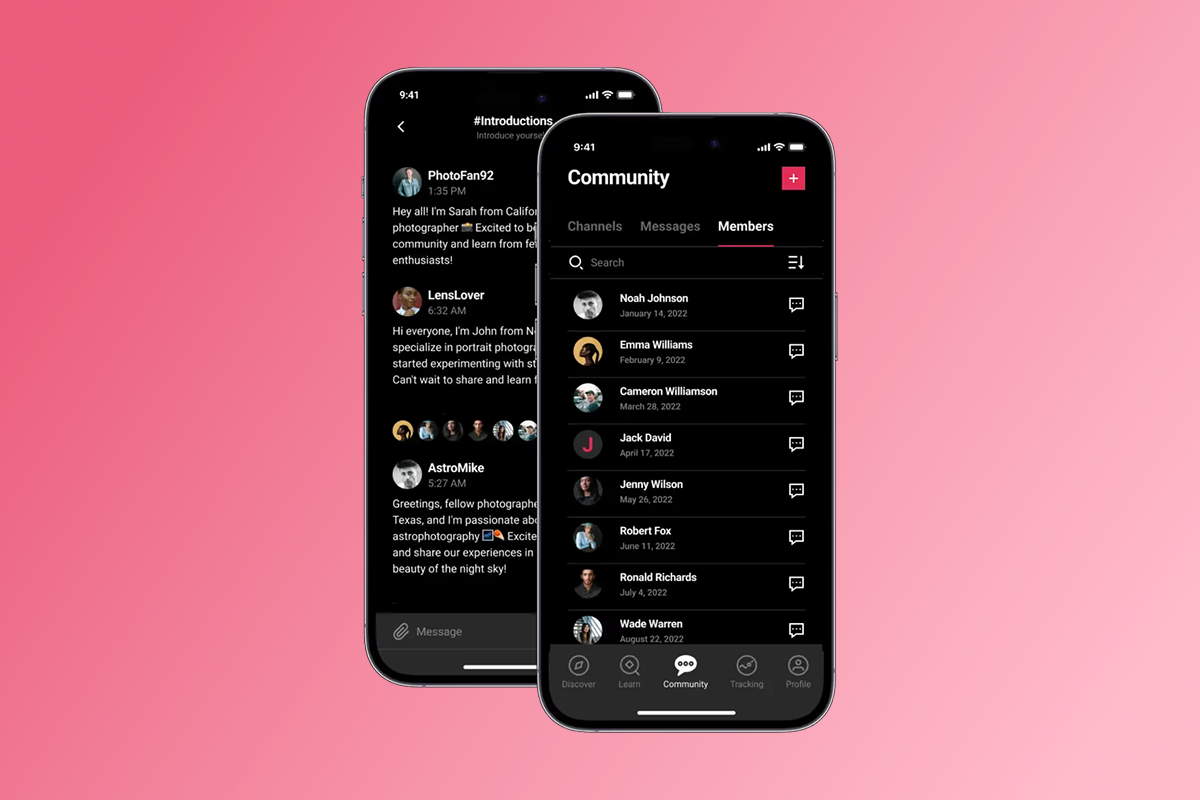
6. Test on mobile. Preview your app on iOS and Android using the Passion builder. Check lesson flow, video playback, and navigation before going live.
7. Submit to App Stores. The Apple Developer Program costs $99 per year, Google Play costs $25 one-time. On Passion's Expand and Plus plans, you get submission support to handle app store approvals. Plan a 1-2 week buffer for Apple's review process.
When Should You Upgrade From Free to Paid?
Three signals tell you it is time to move off a free plan and invest in a flat-fee platform.
- The revenue tipping point: When your monthly sales hit $3,000-$5,000, a 10% revenue share ($300-$500) starts to exceed the cost of a premium subscription. At that point, you are paying more for "free" than you would for a Launch or Scale plan on Passion at $99-$239 per month when billed annually.

- The branding point: When you want to remove platform watermarks and present a fully branded experience to your members. Credibility matters. If you are charging $97 per month for your program, your app should not advertise someone else's company.
- The retention point: When you need push notifications to reduce churn and increase completion. Email open rates average 20-30%, but push notifications drive significantly higher engagement when used strategically. If your free plan does not support push, you are leaving engagement and revenue on the table.
Passion's Launch plan unlocks native app builds, push, community, and web checkout at $99 per month when billed annually. Compare that to a revenue-share model costing you $500+ per month once you scale, and the math is clear.

If you are ready to own your audience and stop renting space on platforms that tax your growth, start with Passion's 30-day money-back guarantee. You will get a real branded mobile app with push, community, offline access, and transparent pricing. Check out real creator case studies on the Passion website, or watch this beginner's guide to the platform before you decide.
Frequently Asked Questions
Can I build a fitness app with zero upfront cost?
Yes, via free trials or freemium plans, but expect user caps of 10-50, no App Store presence, and revenue shares of 10-30% per sale.
What features are essential for a fitness app?
Push notifications, offline video access, community channels, and drip content to build habits and reduce churn.
How long does it take to build and launch?
Web apps go live in 1-2 weeks with a no-code builder. App Store submissions add 3-4 weeks depending on review times.
Does Passion offer a free trial?
Passion backs all paid plans with a 30-day money-back guarantee, giving you full feature access with zero risk.
What are Apple and Google app store fees?
Apple Developer Program costs $99 per year. Google Play costs $25 one-time.
Can I avoid in-app purchase fees?
Yes, route transactions through web checkout at a 3.9% platform fee instead of Apple/Google IAP at 15-30%.
Key Terminology
No-code platform: A software tool that allows you to build applications using drag-and-drop interfaces and templates, with no programming required.
Branded fitness app: A mobile or web application that carries your name, logo, and custom design, giving you full control over the user experience and brand identity.
Native mobile app: An application built specifically for iOS or Android that can access device features like push notifications, offline storage, Face ID, and Bluetooth.
Progressive Web App (PWA): A website optimized to look and behave like a mobile app when added to your home screen, but with limited access to device features.
App Store submission: The process of submitting your app to the Apple App Store or Google Play Store for review and approval before it becomes publicly available.
Push notifications: Messages sent directly to a user's device that appear even when the app is closed, used to drive engagement and habit-building.
In-app purchases (IAP): Transactions that happen inside the native iOS or Android app, subject to 15-30% fees from Apple or Google.
PassionPayments: Passion's web-based checkout system powered by Stripe, charging a 3.9% platform fee plus standard processing costs.
Revenue share: A business model where the platform takes a percentage of every sale you make, common in "free" app builders as the hidden cost of entry.